
Welcome to HyPerCat (FOR 5715)
The Research Unit "Bridging Concepts in Thermo- and Electro-Hydrogen Peroxide Catalysis" (HyPerCat) aims at the development of common concepts for the thermo- and electrocatalytic production of hydrogen peroxide. Hydrogen peroxide is a green oxidant and a base chemi-cal with a large production volume and a wide range of applications, e.g. in the textile and paper industries, waste water treatment and chemical synthesis. Potential scenarios for future sustainable production of hydrogen peroxide include direct thermo-catalytic synthesis of hydrogen peroxide from molecular hydrogen and oxygen using electro-catalytically produced hydrogen (t-HP) and direct selective electrocatalytic reduction of oxygen to hydrogen peroxide (e-HP).
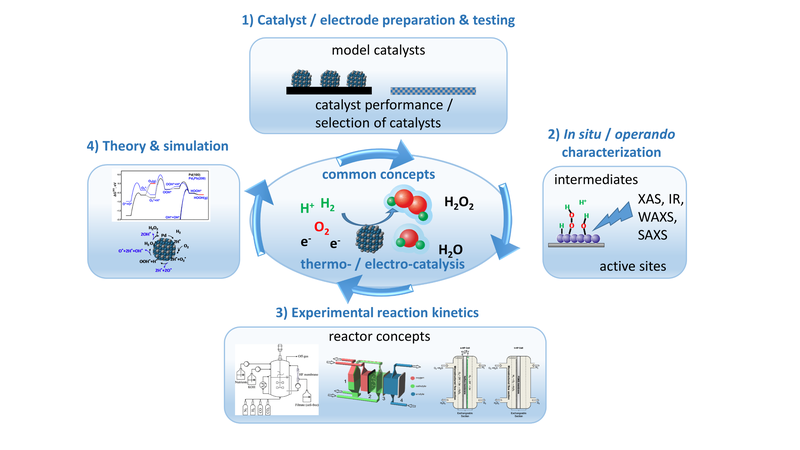
In HyPerCat, eight research teams from the Karlsruhe Institute of Technology (KIT) and the Technical University of Berlin (TUB) are jointly investigating the processes of t-HP and e-HP at the various scales, i.e. from the atomic view with a focus on the reaction mechanisms and catalyst active sites, through the reactor design taking into account heat and mass transfer limitations, to the examination of value chains on an industrial scale. In the framework of the eight projects, we combine catalyst preparation, in situ and operando characterization, kinetic studies (both micro- and macro-kinetics) with test facilities at different scales and novel reactors, as well as multiscale modeling based on theoretical calculations (density functional theory) and experiments. In this way, we envision to gain access to performance descriptors for more active and selective catalyst states and reaction conditions, where information gained in e-HP can help in the systematic design of efficient catalysts in t-HP and vice versa.
HyPerCat, which consists of eight research teams from Karlsruher Instituts für Technologie (KIT) and Technischen Universität Berlin (TUB) is funded by Deutschen Forschungsgemeinschaft (DFG).
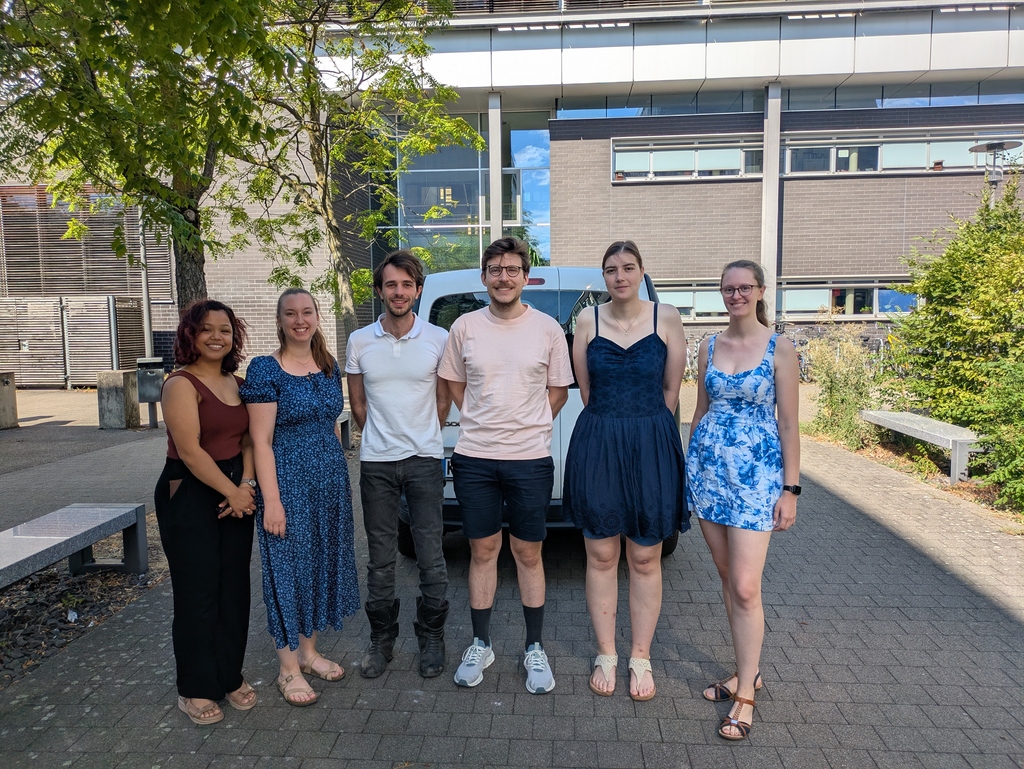
As part of the measures for young scientists, HyPerCat PhD students attended a two-day scientific writing workshop.
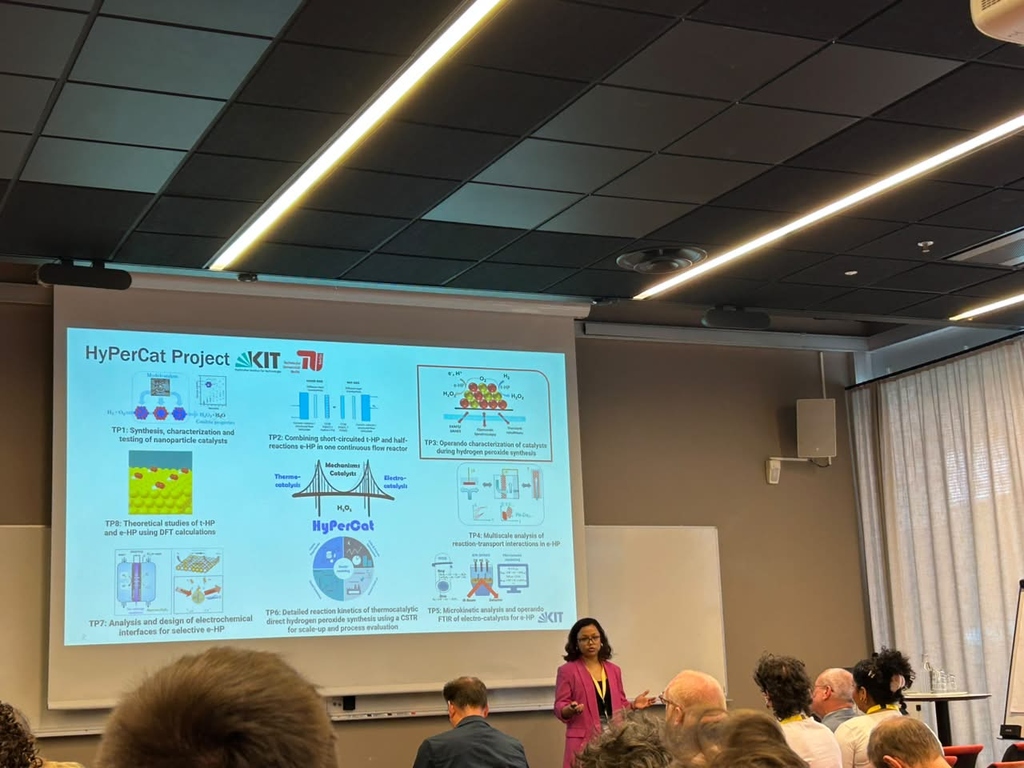
The 21st Nordic Symposium on Catalysis took place in Gothenburg, Sweden, from June 8-10, 2026. Ananya Mohanty from TP3 attended the conference and presented her HyPerCat research in an oral contribution. She also had insightful discussions with other catalysis researchers.
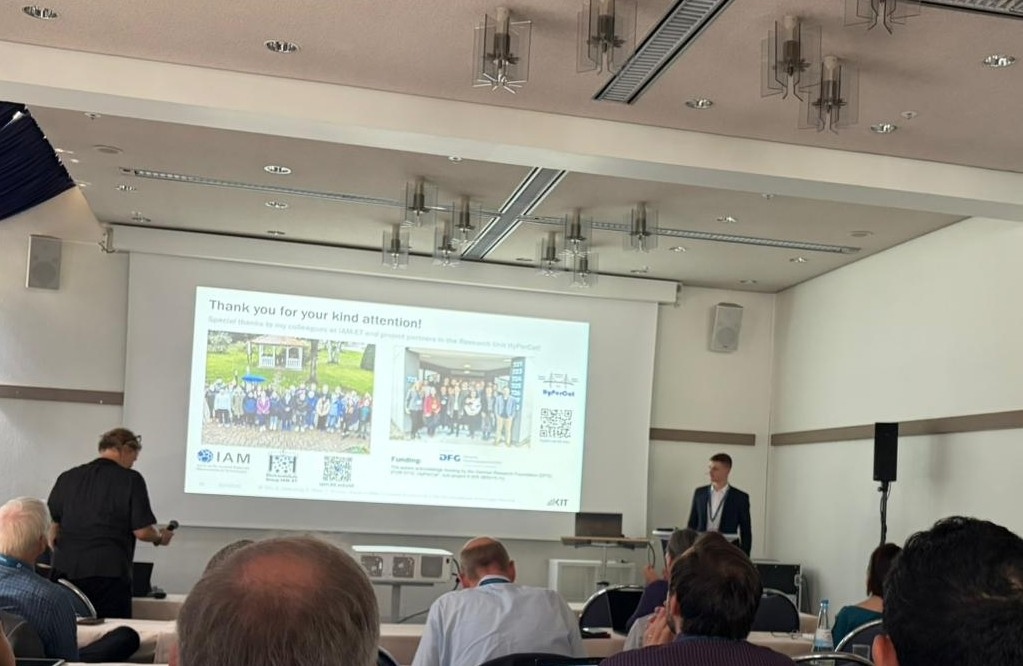
From May 26-28, 2026, the Annual Meeting on Reaction Engineering took place in Würzburg. The conference was once again jointly organized by the DECHEMA-VDI Subject Divisions Chemical Reaction Engineering, Electrochemical Processes and Kinetics and Reaction Mechanisms.
With a lecture talk by Marlon Ritz from TP 4 as well as two poster contributions by Elisabeth Oldenburg from TP 5 and Manuel Rosato from TP 6, HyPerCat was strongly represented. The event provided numerous opportunities for scientific exchange and stimulating discussions with representatives from industry and academia.
We are pleased about the successful conference and the many new impulses for our research!